Deep Search & Knowledge Retrieval
Retrieve, reason, and validate against your own data, with contract-controlled outputs and full provenance.
The problem with standard RAG
Vector search is not understanding
Retrieval-augmented generation has become the default pattern for enterprise AI, and the default disappointment.
The mechanics are well known: chunk the documents, embed them, retrieve the top-k matches, hand them to a language model, generate a response. It works for demos. It breaks for production.
Three failure modes show up consistently:

Sources are generated by the language model alongside the answer, not mechanically traced. They look authoritative. They are not always real.
Synthesis under uncertainty
When the retrieved evidence is thin or contradictory, the model still produces a confident answer. Nothing in the architecture refuses to answer when it should.
No reconstructable trail
The path from query to output cannot be replayed deterministically. For an audit, a regulator, or a court, that's the end of the conversation.
Standard RAG is a retrieval architecture pretending to be a reasoning architecture. For regulated work, that gap matters.
What we do differently
We don't just retrieve.
We validate.
Our deep retrieval stack is built around three operations that standard RAG does not perform
The result is retrieval that behaves like a system with rules, not a model with confidence.
Symbolic constraints during retrieval
Beyond vector similarity, we apply logical and structural conditions to what gets retrieved, so the candidate set respects the semantics of the question, not just its surface embedding.
Contract-controlled synthesis
Every output passes through a validation layer with explicit type and semantic conditions. If the conditions fail, the answer does not ship, it is flagged, rejected, or returned as flagged uncertainty.
Mechanical provenance
Every claim in the output is traced back to the retrieved passage that supports it. Not generated alongside the answer. Reconstructed from the retrieval path itself.
Architecture
Inside the stack
The entire stack runs on your infrastructure. No layer depends on a third-party API call.
Capabilities
Built for production
Multi-source retrieval
Documents, structured databases, knowledge graphs, internal wikis — retrieved together, reasoned over jointly.
Deep Knowledge Retrieval
The contract layer is configurable to your domain rules — legal, financial, regulatory, scientific. The retrieval logic respects them.
Every claim mapped to the passage that supports it. Citations that mechanically resolve, not citations that read well.
Sovereign &
On-Premise
Cloud-optional, not cloud-dependent. Full stack — including model weights — deployable behind your firewall.
Comparison
When retrieval has to hold up in court
Deep retrieval matters most where the answer carries weight. A short list of where we see strong fit:
Vector similarity over chunked documents
Implicit; relies on LLM generation
Generated alongside output by the LLM
Statistical, language-model-based
Generates output regardless of evidence sufficiency
Output not deterministically reconstructable
Typically cloud-hosted via third-party model APIs
Vector retrieval combined with symbolic constraints and knowledge graph traversal
Explicit contract layer; outputs validated against type and semantic conditions
Mechanically traced to retrieved passages
Hybrid: statistical retrieval with symbolic verification
Returns flagged uncertainty or declines to answer
Full provenance: query → retrieval → contracts → output
Cloud or fully on-premise, including model weights
Use this for
When retrieval has to hold up in court
Deep retrieval matters most where the answer carries weight. A short list of where we see strong fit:
Legal research and contract analysis
Case law, clause comparison, document binding with traceable citation chains.
Regulatory filings and compliance review
Synthesis across regulation, internal policy, and operational data with full audit trail.
Financial reporting and controlling
Multi-source aggregation for reports that have to stand up to internal and external review.
Scientific and technical research
Literature synthesis where the difference between cited and citable is the entire point.
Public-sector administration
Decisions that have to be explainable, reproducible, and grounded in the actual record.
Substance
Engineered on contract-controlled retrieval
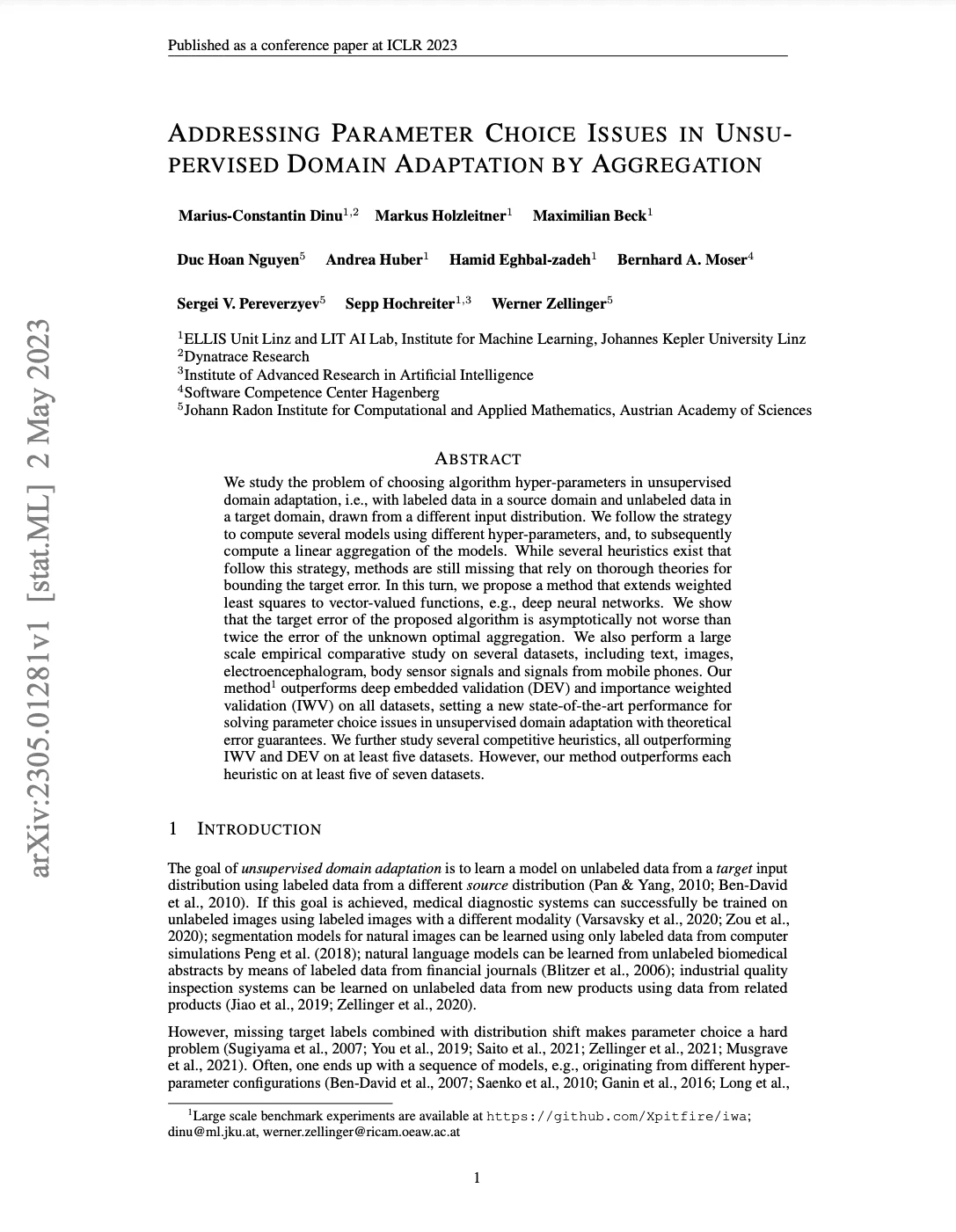
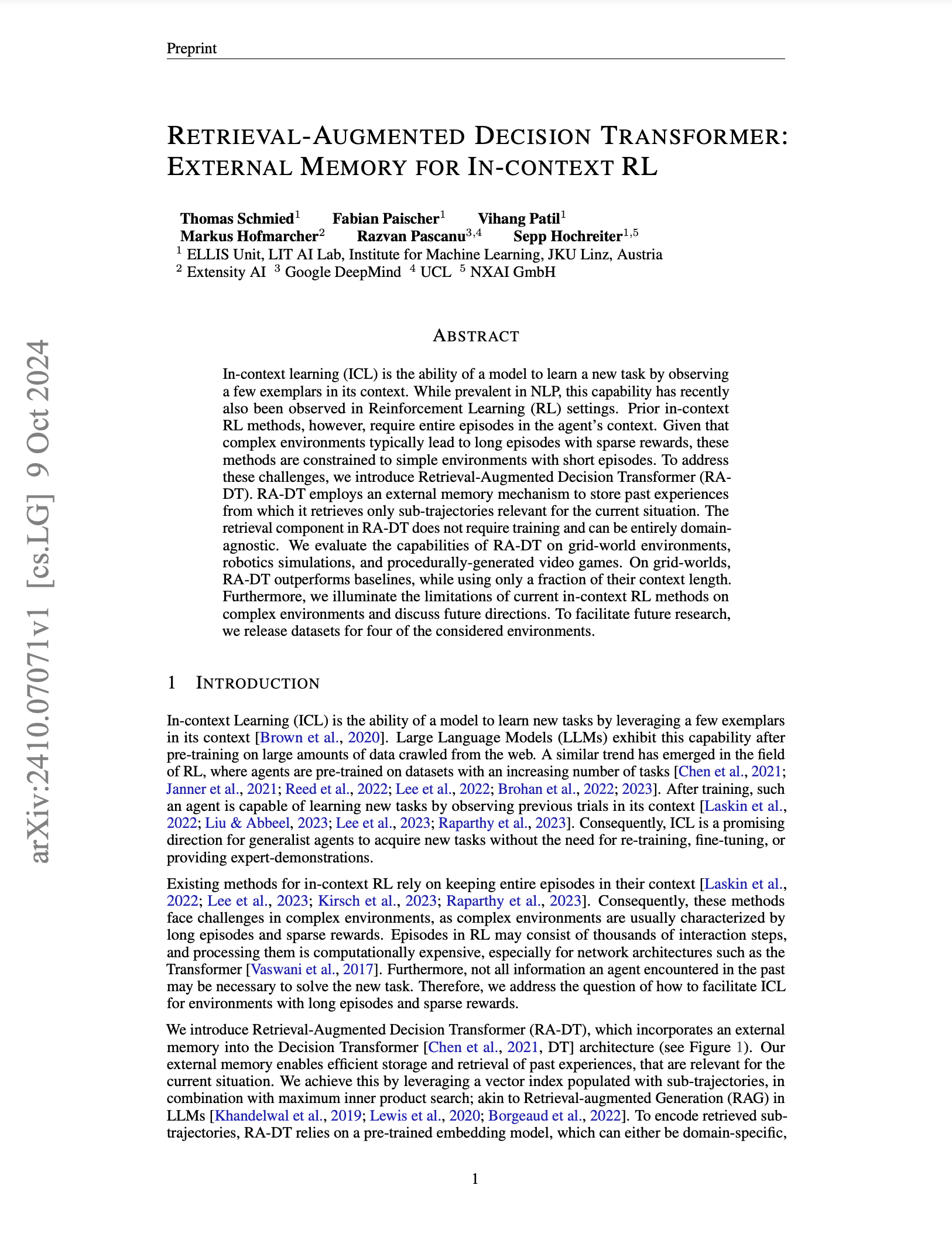
The retrieval architecture on this page is grounded in our published research. The relevant work:


Full publication list available on request.
